
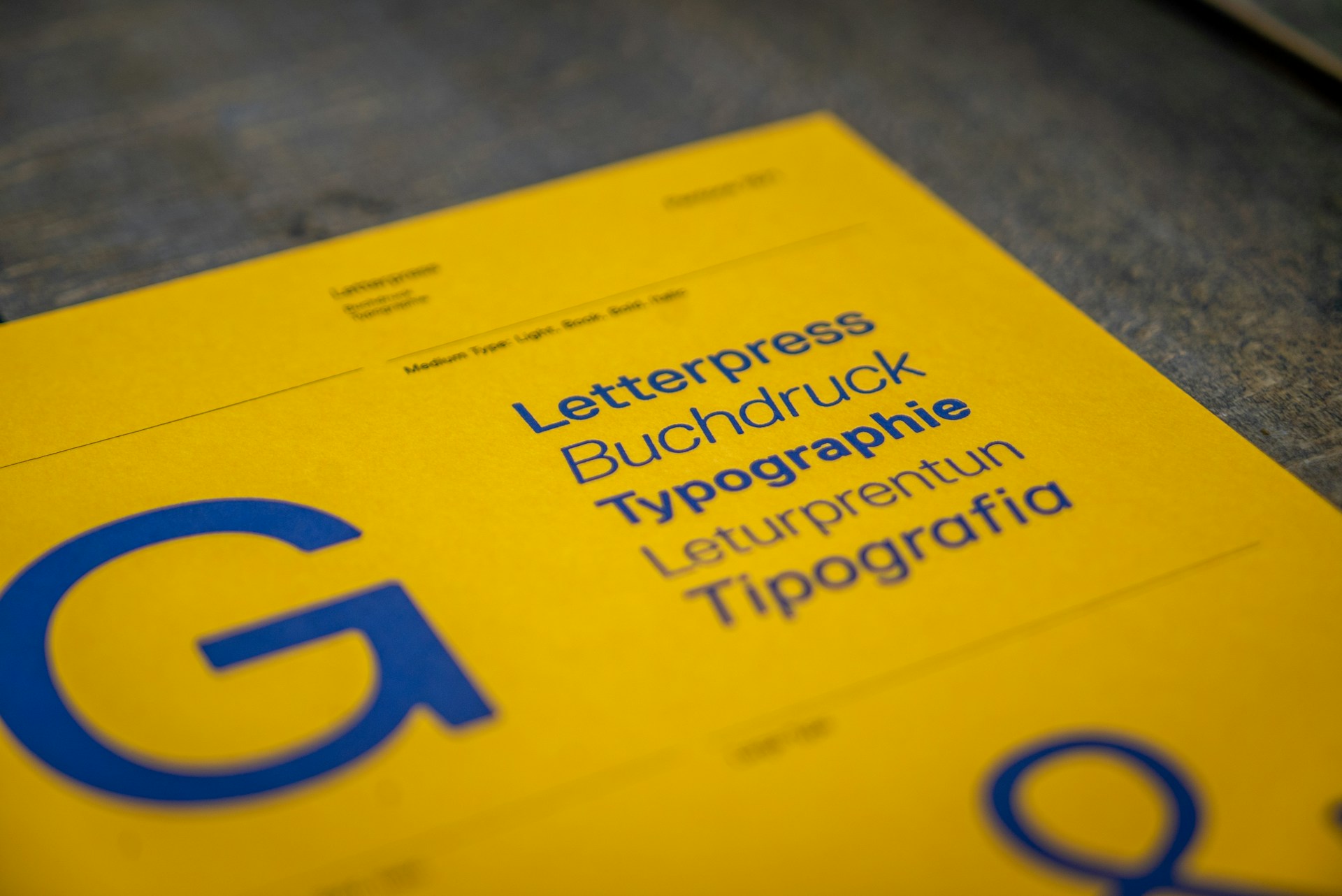
When people hear the word "brand," they often think about the visual stuff first.
The logo. The colors. The typography. The website. The photography.
Those things matter. But they're only part of the picture.
A business can have a polished visual identity and still struggle to explain what makes it different. It can look professional without being memorable. It can look established without giving someone a reason to choose it.
That's because a brand isn't just how a business looks. It's also what people understand, expect, and remember about it.
Design gets attention. Positioning gives it meaning.
Good design can make a business feel credible. It can create recognition. It can communicate personality before someone reads a single word.
But design can't solve a positioning problem on its own.
If the business isn't clear about who it serves, what problem it solves, or why its approach is different, a better visual identity won't magically create that clarity.
You can make an unclear message look beautiful. It will still be unclear.
That's why positioning needs to come before or alongside the visual work. The two should support each other.
People need a reason to remember you
Most businesses aren't competing in an empty market.
There are usually plenty of companies offering something similar. And from the outside, many of them can sound almost identical.
Experienced team. High-quality service. Customer-focused approach. Innovative solutions. Personalized experience.
None of those statements are necessarily false. They're just not very distinctive.
A strong position gives people something more specific to remember.
It answers a simple question:
Why this business?
That answer doesn't need to be flashy. In fact, it often shouldn't be.
It just needs to be clear and meaningful to the people you're trying to reach.
Clarity is more useful than cleverness
There's a temptation to make brand messaging clever. A memorable phrase. A catchy tagline. Something that sounds different from everyone else.
Sometimes that works.
But cleverness without clarity doesn't help much.
If someone remembers your tagline but still can't explain what your business does, the message hasn't done its job.
The strongest positioning often feels surprisingly simple.
You understand who it's for. You understand the problem. You understand the value. And you understand why this particular business is a credible choice.
Simple doesn't mean generic. It means the important idea is easy to find.
Your audience is part of your brand
A business doesn't get to completely decide what its brand means.
People form their own opinions based on what they see, hear, experience, and remember.
That means brand isn't just what a company says about itself. It's also the experience that supports those words.
If a business says it's simple but the buying process is complicated, the experience tells a different story.
If a business says it works with small businesses but its website speaks entirely in enterprise language, there's a disconnect.
If a company positions itself as premium but every interaction feels rushed or inconsistent, the visual identity can't carry that message by itself.
The brand becomes the gap between what you say and what people experience.
Consistency doesn't mean everything has to look the same
A strong brand should feel recognizable across different places.
But consistency isn't about putting the same logo, colors, and language everywhere.
It's about making sure the underlying idea stays intact.
The website. The sales conversation. The product. The proposal. The onboarding experience. The way customer questions are answered.
They should all feel like they're coming from the same business.
The details can change. The underlying expectation shouldn't.
Start with what you want people to understand
Before changing a logo or rewriting a website, it's worth stepping back.
What do you want people to understand about your business?
Who are you trying to reach? What problem matters most to them? What makes your approach worth considering? What do you want to be known for?
Those questions can reveal whether the problem is actually visual.
Sometimes the brand needs a new identity. Sometimes it needs better messaging. Sometimes the positioning needs to change. Sometimes the business itself has evolved and the brand hasn't caught up.
And sometimes the visual identity is perfectly fine. It just needs a clearer idea behind it.
A strong brand makes the business easier to understand
The goal of branding isn't simply to look better.
It's to make the business easier to recognize, understand, and remember.
Visual identity plays a big part in that. So do positioning, messaging, and the experiences that follow.
When those pieces work together, the brand starts to feel less like something the business created and more like something people can actually understand.
That's when branding becomes useful.